I grew up in Lebanon to two lineages: journalism and farming.
The convergence of engineering and tending to land was so deeply intertwined in my father. Building a nest for birds, or a new water system, or laying the foundation for a building, or taking care of our olive grove, all of these things were not that different for him. All of it was in the realm of circular: everything had an impact on something else, and our role was to build in mutuality.
Most of life growing up was planned around maysam al zaytoun, olive season, as if it were our single reference point to measuring the passing of days, the end of summer, and the coming of fall. Growing up, mawssam el zaytoun was my favorite time of the year.
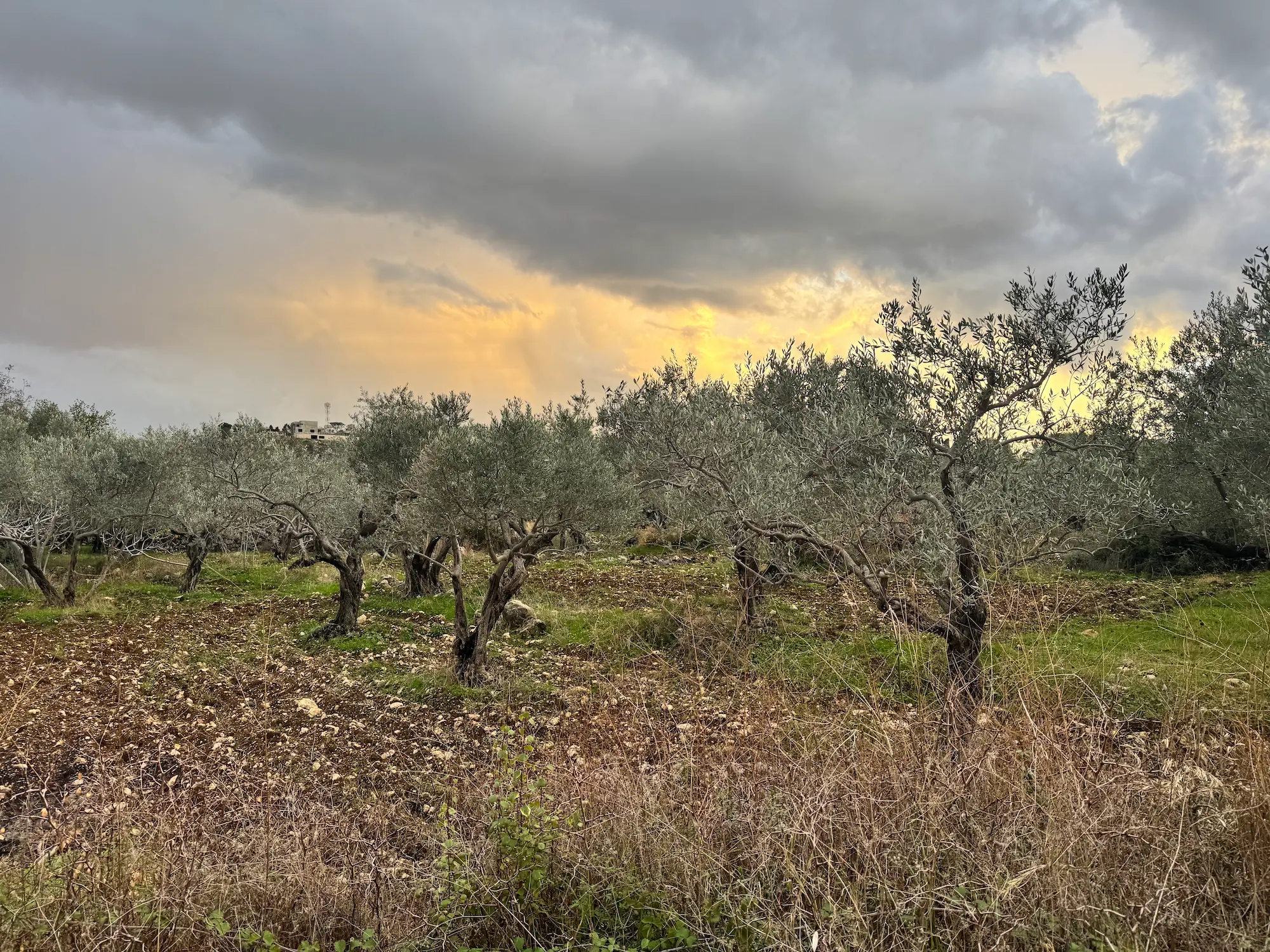
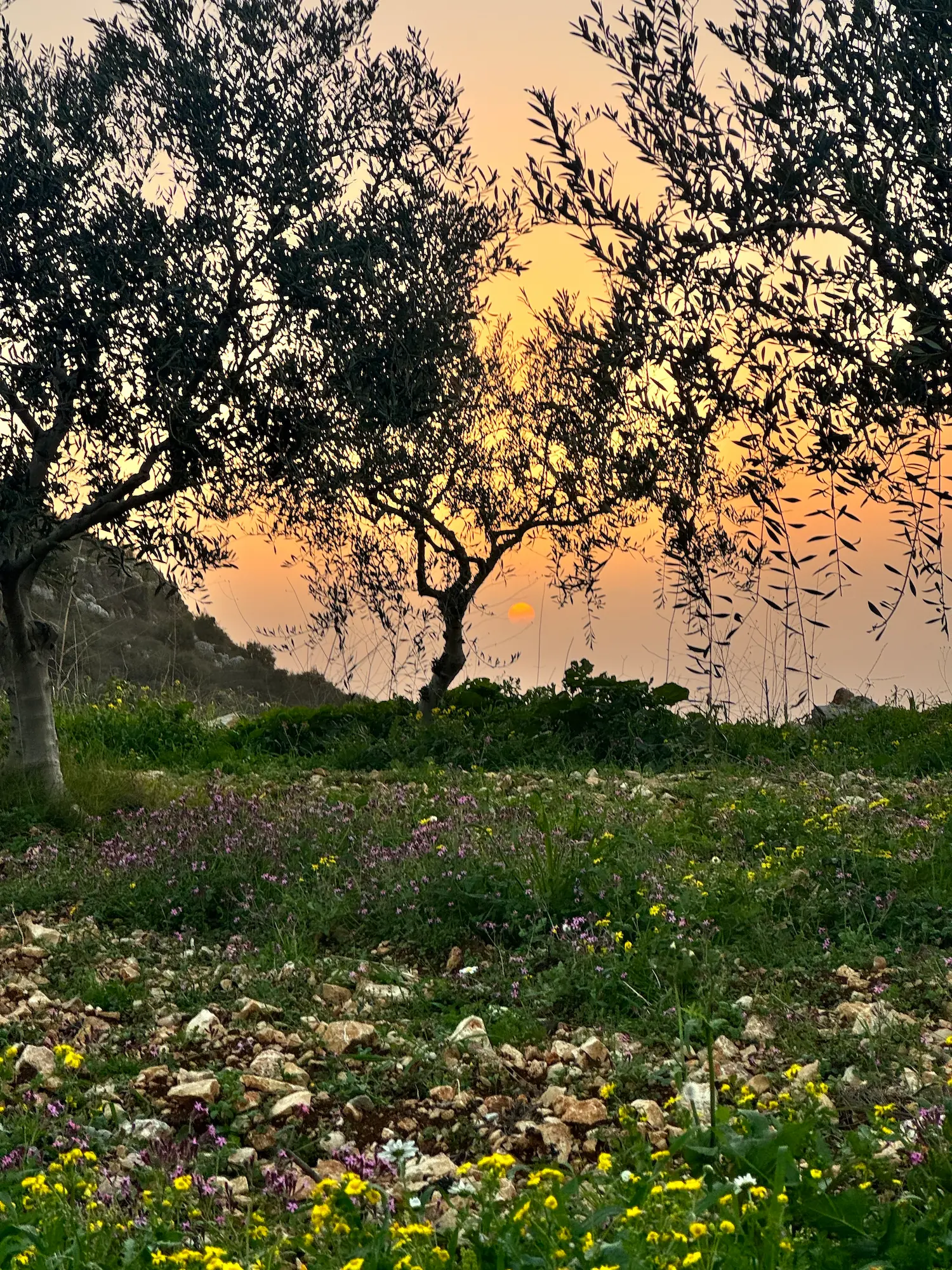
Early in October, the picking began. It was, and still is, my fondest image of Chikhane, my father’s village: the olive trees, most of the Abi Assys spread across the grove, and some back at the house separating the olives from the leaves and twigs and organizing them: some for oil, some for soap, and some for eating.
For my mother who hails from Marjeyoun, a town in the south of Lebanon, memory and land were her strongest imaginative technology. For most of life Marjeyoun existed as a metaphor. Until 2000, we could not visit it so we settled for experiencing it through my mother’s stories, my grandfather’s newspaper, and as a gushing river of wounds flowing from my mother to us. A place we longed for, but had no memories of. My mother’s stories were rich and so alive with walnut trees and figs; land as the bedrock for the tenacity of my grandparent’s journalism.