

Technology often reconceptualizes our social infrastructure, and not for the better. Friendship is a great example.
Social media began as a set of platforms meant to connect us digitally, but it has evolved in a way that muddies the definition of friend by commingling it with the notion of followers.
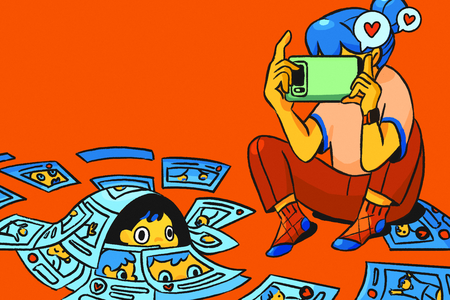
Take Instagram: It is a confusing platform these days. Instead of following your real friends, you’re probably also following celebrities, brands, new outlets, and politicians. This causes connection bloat, the phenomenon whereby, over time, the number of people followed steadily increases. This, in turn, deteriorates the social experience of Instagram because the content becomes too diverse, too multifarious.
The median Instagram user follows 675 other users. This number has grown significantly since the launch of Instagram in 2010 and almost doubled since 2015 where it was estimated at 292, almost double. That’s way too many.
This is the paradox at the heart of the design of social media platforms whereby their technical limits push the increase of connection beyond a normal human limit. Researcher Christian Maier in a 2015 study dubbed this negative association with social networking sites “social overload.”
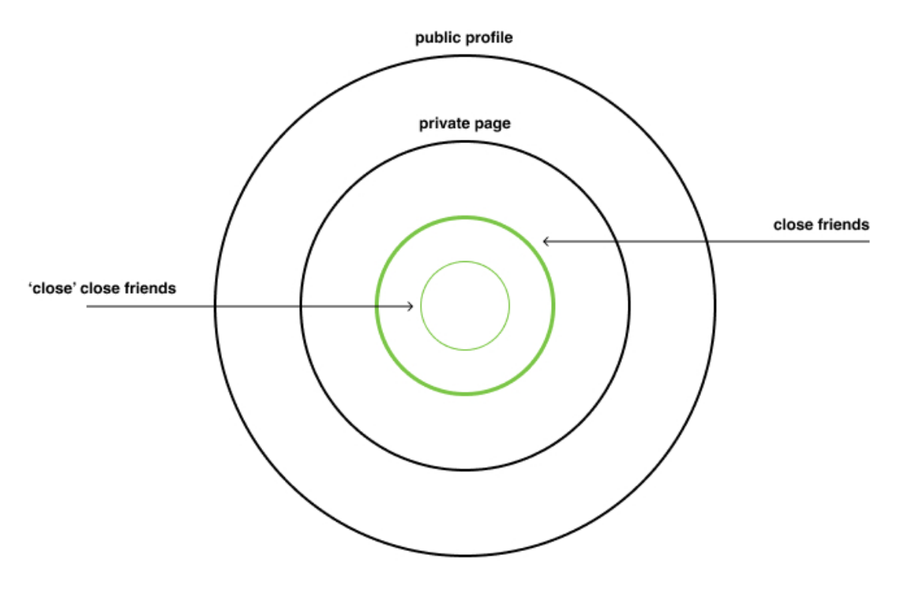
Meta, Instagram’s parent company, seems to understand this. Over the years, they’ve provided a set of new features aimed at creating zones of connection. Users, as well, have responded by creating new kinds